Pillar 2

Product Responsibility

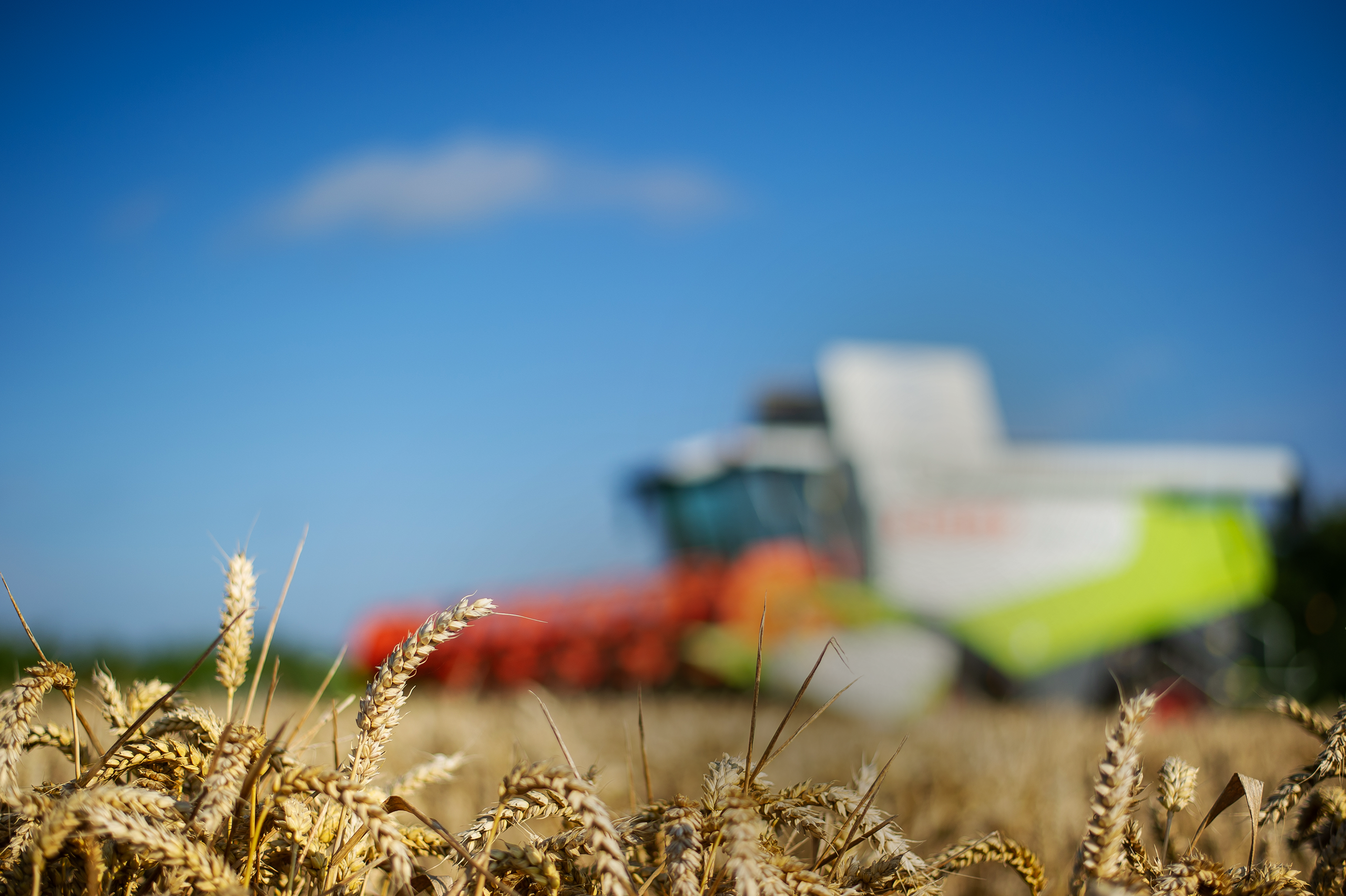
5410_Weetabix_2560x1704_Desktop_Image3

Targeting 100% recyclability  

The improvements we make to our packaging play an important role in helping us minimise waste, improve recyclability, and lower our overall carbon footprint.

While we previously met our 100% recyclable packaging target in 2023, new EU laws requiring a minimum of 30% recycled content in food packaging have affected the recyclability of our paper wrap. This also affects Alpen Inner Bags and Ready Brek sachets.

This has temporarily shifted our figure from 100% recyclable packaging by volume to 95.01%. We are already testing a new wrap with a reduced plastic coating and anticipate its introduction will bring us back on target, with a renewed commitment to return to 100% recyclable packaging by 2026. We are currently exploring new options to meet both regulatory and sustainability goals.

Reducing Our Packaging Footprint

Reducing Our Packaging Footprint

Despite setbacks to pack recyclability due to recent legislative changes, we are making significant progress toward our goal of reducing the carbon footprint of our packaging by 15% against a 2022 benchmark. We are currently at a 13% reduction, having achieved a 1,319.4 tonne reduction in our packaging footprint. A key contributor was a successful trial at our Corby plant which cut the carbon footprint of products packaged there by 40%; this is now being extended to our main production lines at Burton Latimer.

We have also exceeded our target of an 18% reduction in plastic packaging, achieving a 19% reduction - equivalent to 122 tonnes. This was accomplished through several initiatives:

• We have reduced the amount of plastic on our Weetabix wrap by 12%, equating to 29.2 tonnes each year.
• We have moved to a new pallet stretch wrap material containing 30% recycled plastic, which has reduced our stretch wrap plastic use by 24%, representing 19 tonnes per annum.
• Following a switch to a new glue for our boxes, we have successfully reduced the amount of glue required by 55%, a saving of 13.05 tonnes.

What
we’ve done

  • WBIX_SUST_ICON12

    Exceeded our plastic reduction target, achieving a 19% reduction in plastic packaging against a 2022 benchmark.

  • WBIX_SUST_ICON7

    Reduced the carbon footprint of our packaging by 13%, well on track for our 15% reduction target.

  • WBIX_SUST_ICON13

    Launched our Wheat Traceability programme on Weetabix Original packaging, allowing consumers to trace their breakfast back to the growers.

  • WBIX_SUST_ICON14

    Successfully trialled packaging changes at our Corby plant, achieving a 40% reduction in its carbon footprint.

*Farm office situated within 50 miles of Weetabix Mills

What
we’re doing

  • Working to return to 100% recyclable packaging by 2026 by testing a newly engineered paper wrap.

  • Extending the successful packaging trial from our Corby plant to our main production lines in Burton Latimer.

  • Continuing to work towards our target of a 15% reduction in the carbon footprint of our packaging by 2030.

"By successfully introducing new recyclable films to our packaging over the past year, we have made sure there is no compromise on product freshness, meaning that our consumers can be confident of the same great Weetabix quality and taste whilst knowing they are using their purchasing power for the good of the planet."