Pillar 1

Sourcing Responsibility

5410_Weetabix_2560x1704_Desktop_Image2

Working Towards Net Zero Carbon Wheat

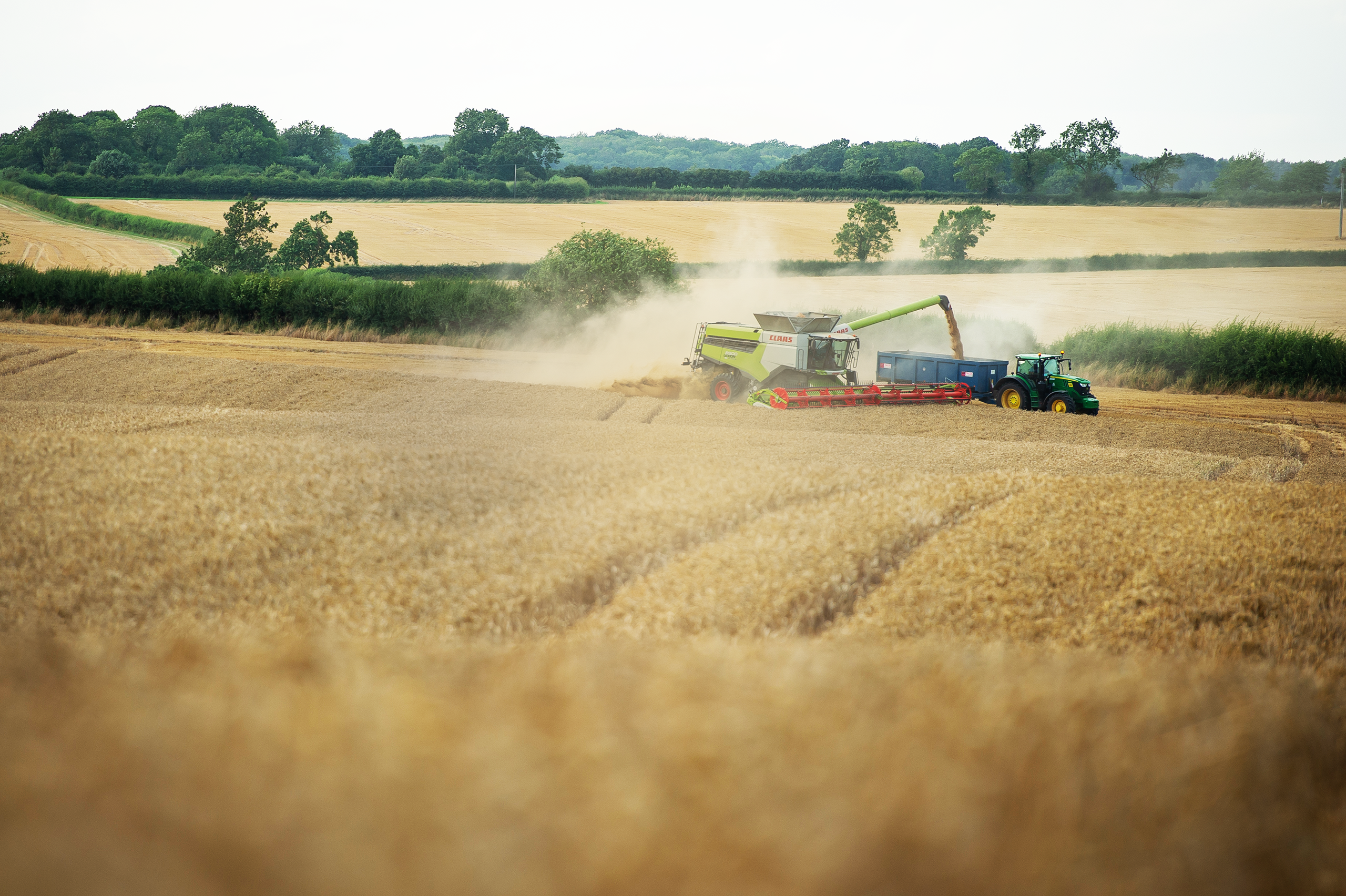
At Weetabix, we are committed to helping our farmers on their journey to producing net zero carbon wheat while enhancing soil quality, improving crop resilience and managing the risks presented by the uncertain environment in which they are working.


What
we’ve done

  • WBIX_SUST_ICON7

    Continued our carbon footprint study to cover 14 farms within our Weetabix Growers Group, assessing their emissions over multiple years.

  • WBIX_SUST_ICON8

    We have grown wheat across 185 hectares of land using reduced nitrogen fertiliser.

  • WBIX_SUST_ICON9

    Removed Palm Oil and Soy from the majority of our products and maintained Rainforest Alliance certification for our cocoa.

  • WBIX_SUST_ICON10

    Ensured that 100% of our ingredient suppliers are signed up to our ethical terms for

*Farm office situated within 50 miles of Weetabix Mills

What
we’re doing

  • Continuing our journey to source Net-Zero Carbon Wheat by validating our data collection process for use in official company Carbon Footprint studies.

  • Working towards our commitment to have no deforestation across our primary deforestation-linked commodities by December 2025.

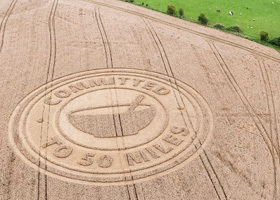
  • Maintaining our commitment to source wheat from farms within a 50-mile radius of our factory.

"Working with our growers to help them understand how to reduce nitrogen inputs to wheat production and assessing the potential for carbon sequestration present the biggest opportunities for emissions reductions, as well as water quality and biodiversity improvements."

Working Towards Lower Carbon Wheat

At Weetabix, we are committed to helping our farmers achieve net-zero carbon wheat while enhancing soil quality and improving crop resilience. We have been conducting Greenhouse Gas assessments with farms since 2022 to understand baseline emissions, and help us in our mission to produce less carbon-intensive grains at economic scale.

These farms have been scientifically assessed by Map of Ag, providing a robust baseline to measure our progress.
This year, we have worked with our farmers to grow 185 hectares of wheat with reduced application of nitrogen fertiliser.

Despite a tough growing season, we are optimistic for the future of this approach as a route toward lower carbon wheat. Our work is focused on the two areas with the biggest potential for impact: optimising nitrogen fertiliser application and increasing carbon sequestration (absorbing carbon into the soil). This has the potential to not only reduce greenhouse gas emissions but also improve local water quality and biodiversity.

Through a close partnership with our growers we are working toward a stronger understanding of how we can close the gap to achieve our long-term net-zero goals.